

E-Invoicing Phase 2 in Saudi Arabia: Complete Guide

As the world becomes more interconnected through technology, every country is working towards the adoption of the latest digital initiatives, and e-invoicing is one of them. Around the globe, more than 90 countries have mandated the use of e-invoicing across businesses with varying guidelines. KSA is undergoing a similar transition and has integrated E-invoicing as a legal part of its system. However, as the country has many traditional businesses with outmoded practices, E-invoicing was broken down into two distinct phases to ease compliance obligations and reduce administrative efforts.
Phase 1 was a simple homework for companies to understand and start working on e-invoicing under the supervision of the Zakat, Tax and Customs Authority (ZATCA). Later, however, phase 2 was a more intricate and methodical process that demanded expert handling. Phase 2 wasn’t just a simple upgrade but a radical shift that changed every element, including how you invoice, track, store, and sync with the tax authority. At this point, not having a sufficient understanding of e-invoicing is what endangers a business. This article aims to provide a deep understanding of ZATCA e-invoicing Phase 2, including compliance requirements and practical tips for e-invoicing compliance.
What is the Idea Behind E-Invoicing?
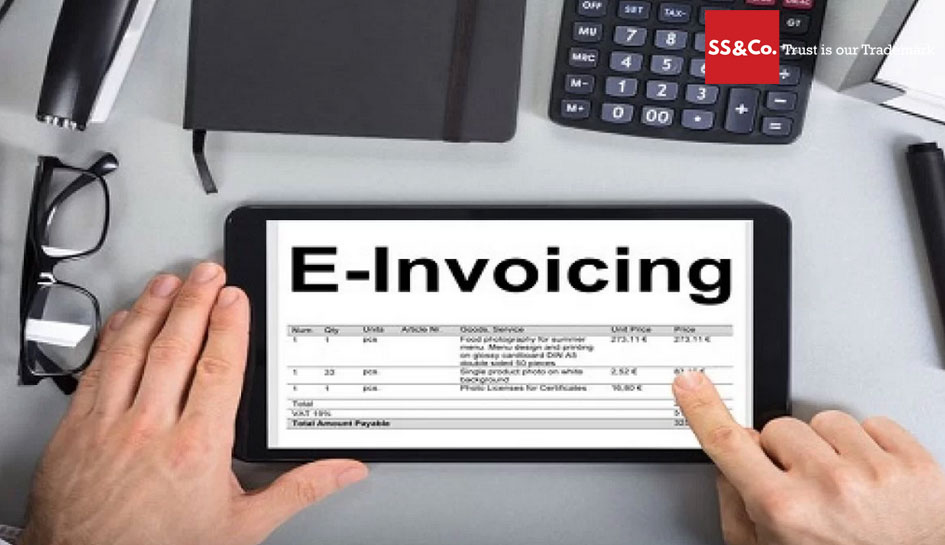
E-invoicing is the procedure through which invoices are sent, generated, and received using digital formats. The KSA e-invoicing represents how taxes can be managed effectively, transparency in systems can be elevated, and tax fraud can be detected and fixed. The Fatoora e-invoicing system in KSA is overseen by the ZATCA, which has divided e-invoicing into two different phases. By substituting paper invoices with digital invoices, not just the government but businesses also gain the ability to relieve the burden of administration, prevent inaccuracies, and process the financial transactions speedily.
A Quick Summary of the E-Invoicing Phase 1
In December 2021, when the e-invoicing was initiated, it was named the generation phase. This phase was mandated to be implemented by all VAT-registered KSA companies. Under the ZATCA policies, all invoices were no longer to be issued through the traditional PDF or paper-based formats. Instead, they were legally required to be issued in structured formats, XML files, and QR codes. However, phase 1 did not demand any integration with the Fatoora platform. This phase actually prepared the businesses for the next level, phase 2, which was going to be even more complicated. ZATCA gave sufficient time and guidelines to companies to completely understand and do their homework on electronic invoicing before they become a mandatory requirement to integrate it with the legal systems.
Phase 1 Key Findings
- Moving from the manual or PDF billing to an organized digital format
- Including the Cryptographic data, QR codes, and anti-tamper protection
- Meeting all the standard guidelines set by the ZATCA, yet not integrating with the ZATCA platform
This approach assisted the businesses to gain an awareness of what e-invoicing is, how it can be implemented, and the areas where they need advancements to merge with the ZATCA platform for the later phase 2. One can say that phase 1 was a warm-up exercise, which made companies ready before the biggest shift came with the next phase.
Introduction to ZATCA Phase 2: The Integration Phase
As Saudi Arabia has remarkably achieved digital initiatives over the years, ZATCA has also shifted into an important stage of e-invoicing mandate, which is the phase 2 integration phase. Phase 2 was basically a modified form of phase 1. The first-generation phase was about the generation and storing of invoices in real time, while the phase 2 integration phase centered on the real-time or near-time integration with the Fatoora Platform of ZATCA. This wasn’t just a convenient update but a complete reformation of how businesses will be recording their transactions and reporting them to legal authorities.
1. Applicability and Compliance Deadlines
Although ZATCA phase 2 was a major shift, it didn’t impact everyone at once; it was further divided into waves, targeting the large businesses at first, giving time to the SMEs, and then gradually focusing on the companies with lower turnover. Let’s further elaborate on these waves below:
| Number | Turnover | Compliance Deadline |
| Wave 1 | ≥ SAR 3 billion | 1 January 2023 |
| Wave 2 | ≥ SAR 500 million and < SAR 3 billion | 1 July 2023 |
| Wave 3 | ≥ SAR 250 million and < SAR 500 million | 1 October 2023 |
| Wave 4 | ≥ SAR 150 million and < SAR 250 million | 1 November 2023 |
| Wave 5 | ≥ SAR 100 million and < SAR 150 million | 1 December 2023 |
| Wave 6 | ≥ SAR 70 million and < SAR 100 million | 1 January 2024 |
| Wave 7 | ≥ SAR 50 million and < SAR 70 million | 1 February 2024 |
| Wave 8 | ≥ SAR 40 million and < SAR 50 million | 1 March 2024 |
| Wave 9 | ≥ SAR 30 million and < SAR 40 million | 1 June 2024 |
The additional waves for further lower turnover businesses are still in progress, and ZATCA will be gradually moving beyond wave 9. Every business that becomes eligible gets a notification at least 6 months prior to the deadline. Once the notification is received its time for the entity to get started and make sure to comply within the given duration.
2. Major Enhancements in Phase 2
What mainly differentiates the Phase from Phase 1 is the integration with ZATCA, where every applicable business must make sure that their systems are API ready and certified. That being said, many other small enhancements were also made, which include technical upgrades like UID, cryptographic stamps, and getting verified from ZATCA before sharing the invoices with the clients. Apart from these, unlike phase 1, businesses were strictly requested to securely archive every invoice that is issued or even cancelled and obey every standard set by the ZATCA to guard their business from any legal stumbling block.
3. Technical Requirements for Phase 2 Compliance
For the implementation and compliance with phase 2, businesses have to not just train their teams but also refine their systems and ensure the traceability of every transaction. These technical requirements include:
- Universal Unique Identifier (UUID): Phase 2 invoices needed a UUID, which was a unique ID that is specifically for those invoices and does not match with any other invoice around the world
- Income Counter Value (ICV): This tracks the total invoices that are generated by a certain device and prevents any manipulation or unauthorized access of invoices
- Previous Invoice Hash (PIH): This contains a fingerprint of the previous invoice and creates a chain of records to make it impossible to add or delete any invoice.
- Cryptographic Stamping(E-Stamps): These e-stamps are the digital signs that verify the authenticity of the issuer. This stamp is issued by the ZATCA and applied by the issuer system on e-invoices.
Implementation Strategies for Businesses
1. Deploying the Right E-Invoicing Software
Implementing software that seamlessly merges with your system is a must. Businesses running on outdated systems have to thoroughly upgrade their hardware to support the generation of structured invoices, integration with the ZATCA, and the issuance of digital signatures.
2. ERP and Accounting System Alignment
Aligning the ERP systems with the current accounting systems of a company is essential to automatically generate the invoices without any hassle. This not just lower the manual labor burden and errors but also elevates the efficiency.
3. Training your Internal Staff
Employee training is necessary to ensure that every implementation is done successfully. Teams must understand all the technical requirements, compliance needs, and how they should operate the latest systems. Adequate training is the backbone of the smooth adoption of e-invoicing in any company.
4. Digitization of Invoices
It’s important that systems automatically generate the invoices to reduce any delays. By using the automation tools, the manual intervention is also reduced, and invoices are precisely verified and reported on time.
5. Archiving Consistent Digital Records
All your e-invoice data must be archived for at least 6 years, so that in case of any audit, businesses should have a clear track record maintained. If a company fails to maintain these records and an auditor inquires about it, there is a huge possibility that the company will be exposed to severe legal consequences.
Making Phase 2 Simple with SS&CO Support
Finding your way through phase 2 can be highly demanding for many businesses, specifically the startups and SMEs. SSCOKSA is built solutions uniquely crafted for companies operating in the KSA. Our qualified team of experts helps you to focus on growth rather than constantly worrying about compliance challenges. From automatic onboarding on the Fatoora portal to the built-in validation and secure archiving, SS&Co makes certain that you always meet the ZATCA phase 2 compliance requirements.